Window Tint & Regulations
GSWF Ceramic Window Tint vs Cheap Dyed Film — Hong Kong TD Exemption in 4 Steps & Cross-Border Compliance
Part of the PPF BRANDS topic hub

Window tint is only one kind of car film. car wrapping Hong Kong — The guide compares TPU PPF, colour PPF and window tint on lifespan, price and use case.
Hong Kong summers get hotter every year, and any car left in the sun quickly turns into a mobile oven. Window tint is one of the first upgrades most owners install after taking delivery. But the range of "tint" products on the market — and their prices — is enormous, and many owners only find out after the film is installed that what they bought is illegal.
A common myth online says "cars under 7 years don't need an inspection, so you can install any dark tint you like." That is completely wrong. In Hong Kong the key to a compliant tint is holding a Transport Department exemption certificate. This guide compares premium ceramic tint against cheap dyed film, then walks you through the 4-step process to secure an official exemption — and how to stay compliant when you drive across the border under the Hong Kong Vehicles Northbound scheme.
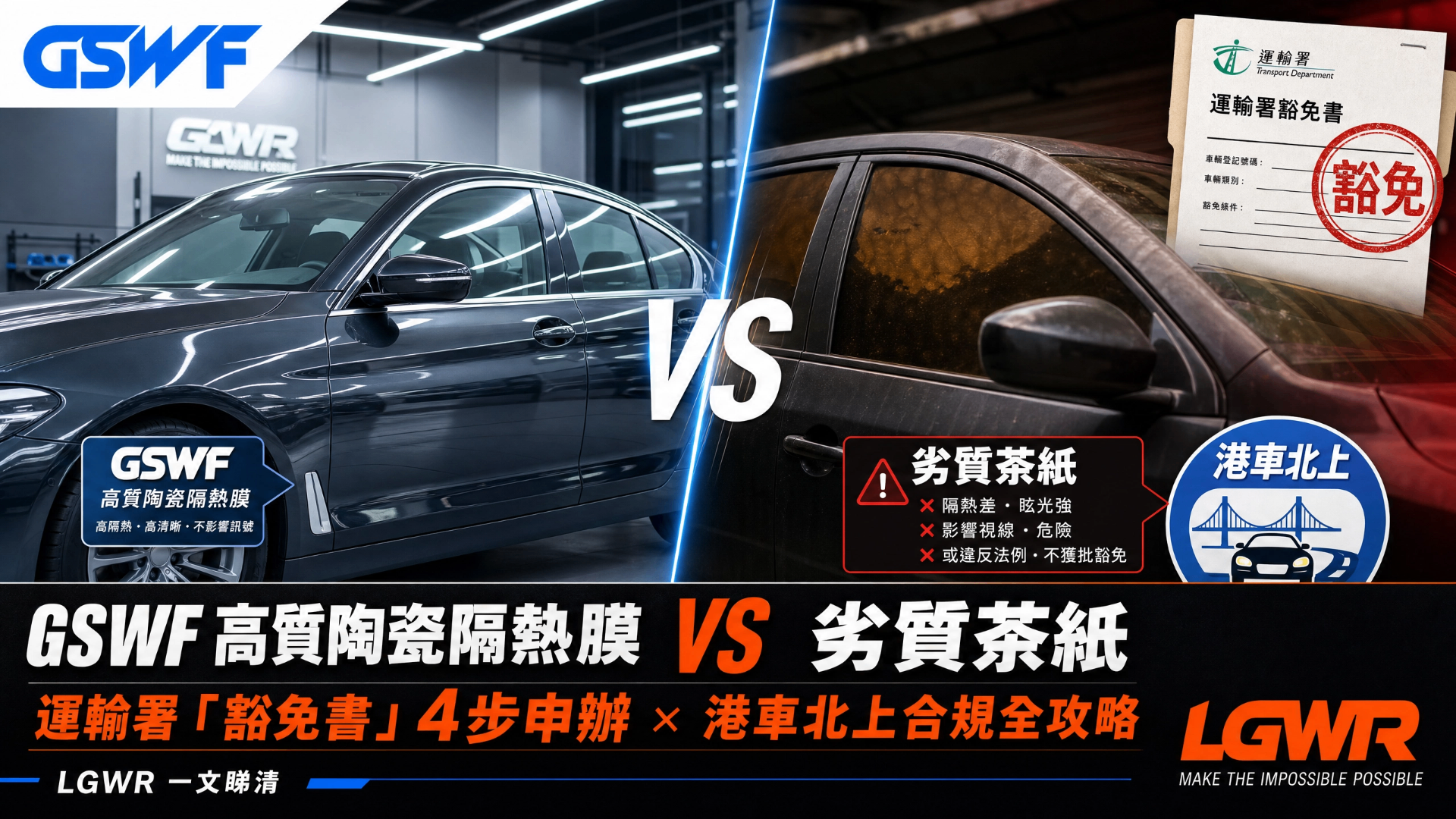
1. Head to head — GSWF ceramic tint vs traditional dyed film
A classic physics mistake is assuming "darker tint = better heat rejection." Buying cheap dark dyed film off the street leaves you with three ongoing problems:
| Feature | Cheap Dyed Film | GSWF Ceramic Tint |
|---|---|---|
| Heat Rejection | Rejects almost no infrared; absorbs heat into glass | Rejects over 90% infrared and 99% UV |
| Optical Clarity | Poor optical clarity, drops visibility in darkness | Crystal-clear look exceeding 70% VLT rule |
| Lifespan & Health | Bubbles, fades and off-gasses within 6–12 months | Durable inorganic ceramic nano-particles |
| Signal Compatibility | Unspecified / standard pigment build | Zero interference to 5G or GPS |
●Absorbs heat, doesn't reject it
Dyed film uses cheap black pigment to block visible light and give the illusion of a cooler cabin. It rejects almost no infrared, which is what actually makes you hot. Worse, the pigment absorbs heat into the glass and re-radiates it into the cabin, so the A/C never catches up.
●Blocks your view and compromises safety
Dyed film has poor optical clarity. In heavy rain, tunnels or dark car parks, visibility drops sharply — a serious accident risk.
●Fades, bubbles and off-gasses
The industrial adhesive on cheap tint doesn't survive Hong Kong heat and UV. Within 6–12 months you get bubbling like a fish-scale pattern, a purple-blue colour shift, and formaldehyde-heavy off-gassing when the cabin warms up.
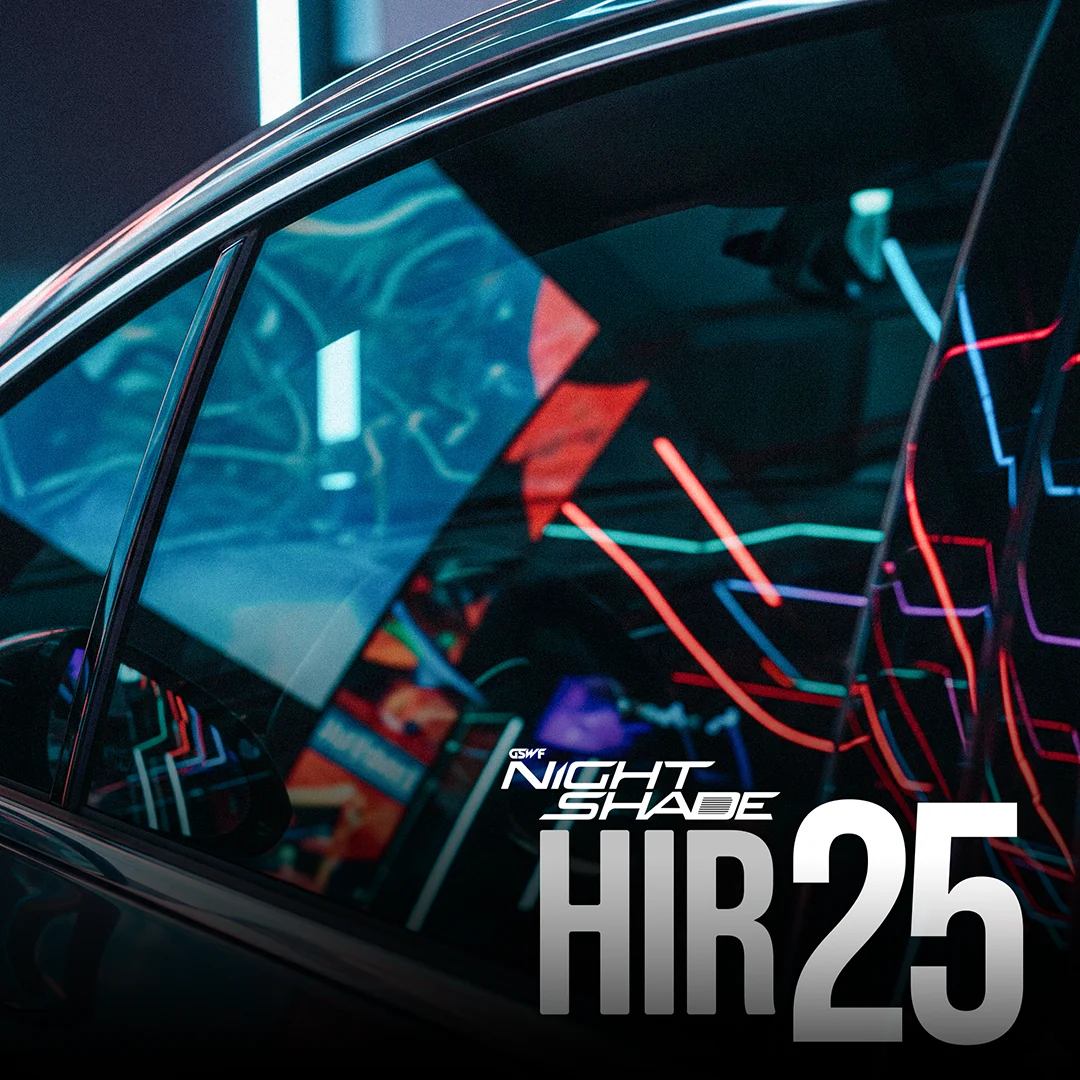
GSWF premium nano-ceramic tint uses inorganic ceramic nano-particles that maintain a very high visible light transmission (comfortably above the Hong Kong TD's 70% requirement for the windscreen and front side windows) while rejecting more than 90% of infrared and 99% of UV. The result is a crystal-clear look with a cold, comfortable cabin — with zero interference to 5G or GPS.
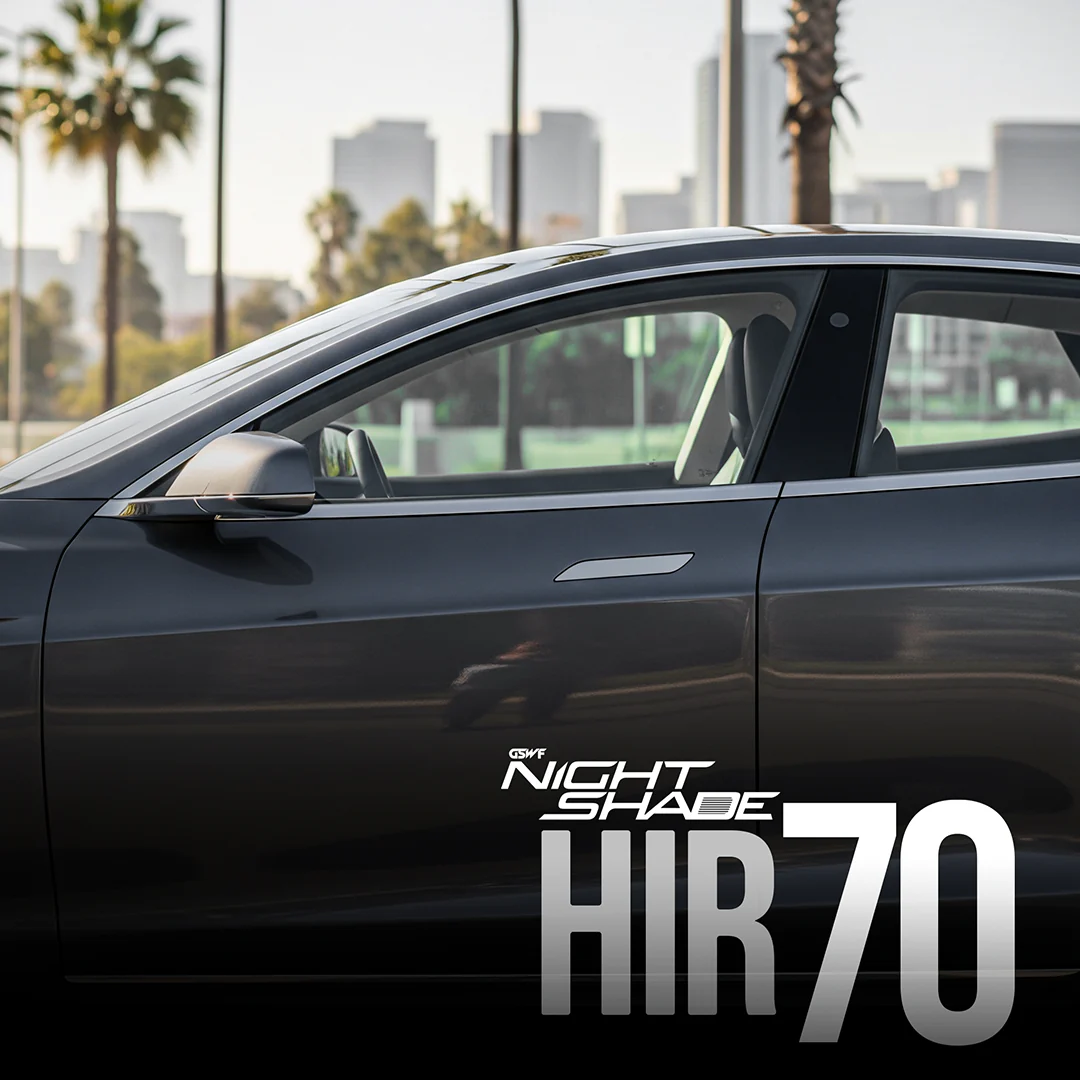
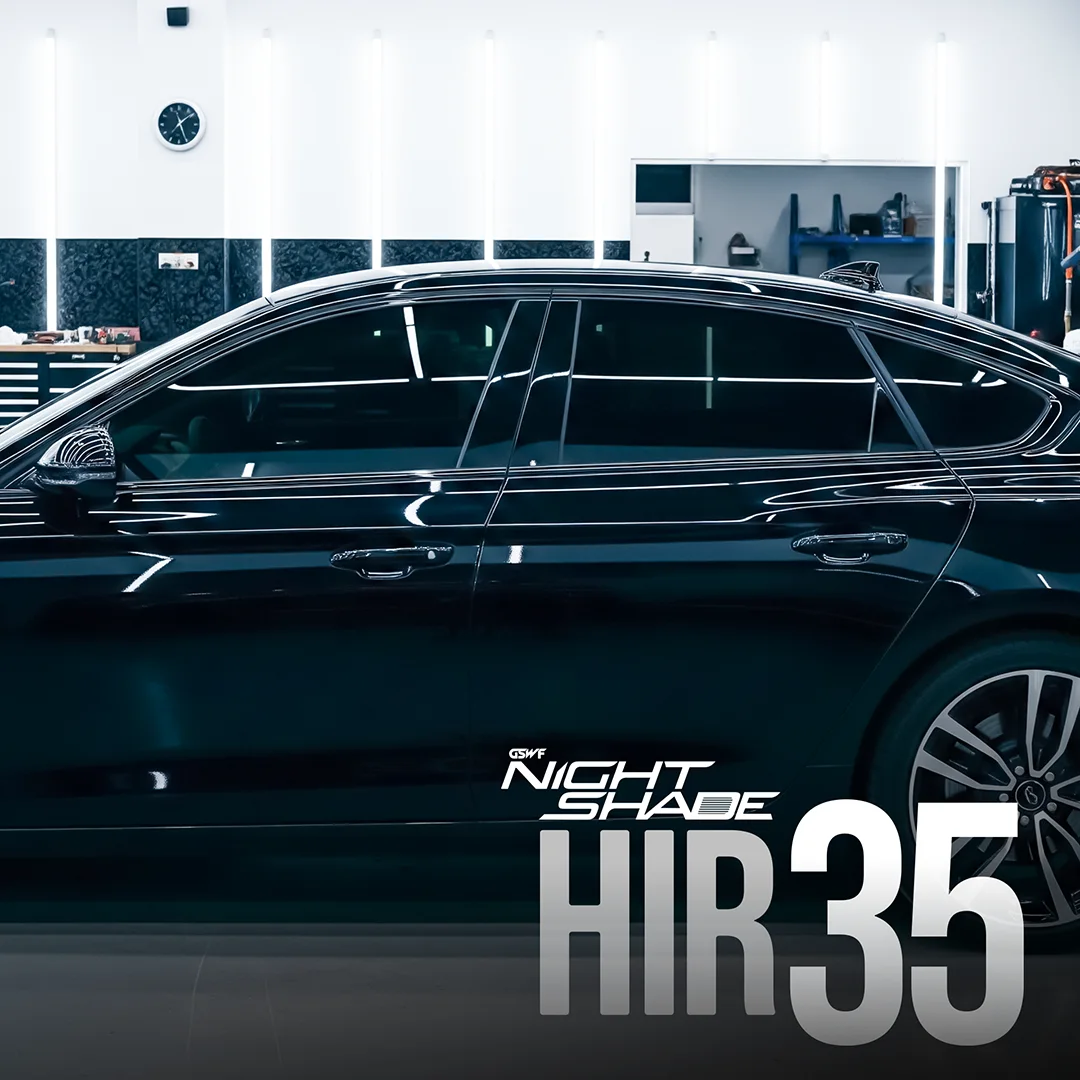
2. What is the "exemption certificate" — do I need one even if the car is under 7 years old?
Yes, we strongly recommend applying for one. The exemption certificate is your official proof that the vehicle's glass VLT has been accepted by the Transport Department. Keep it in the car — the next time an officer questions your tint you can produce it on the spot and avoid a defect notice or a re-inspection.
Strictly speaking, if the car is under 7 years old and hasn't reached its mandatory inspection date, you are not required to have it inspected. But applying for the exemption is free, the process is straightforward, and doing it once at installation permanently removes any argument during a roadside check.
Bonus: compliant VLT means you can join Hong Kong Vehicles Northbound without issues
As the Greater Bay Area "one-hour living circle" matures, more Hong Kong owners are driving their cars across the border. A common worry is whether tint affects Mainland customs or vehicle inspection. Answer: as long as your VLT is compliant, no.
Mainland China also enforces a 70% minimum VLT on the windscreen and front side windows. GSWF ceramic tint installed at LETS GET WRAP meets both jurisdictions, so you can drive across the border and around Guangdong with both an on-glass measurement that passes and your Hong Kong exemption certificate on hand.
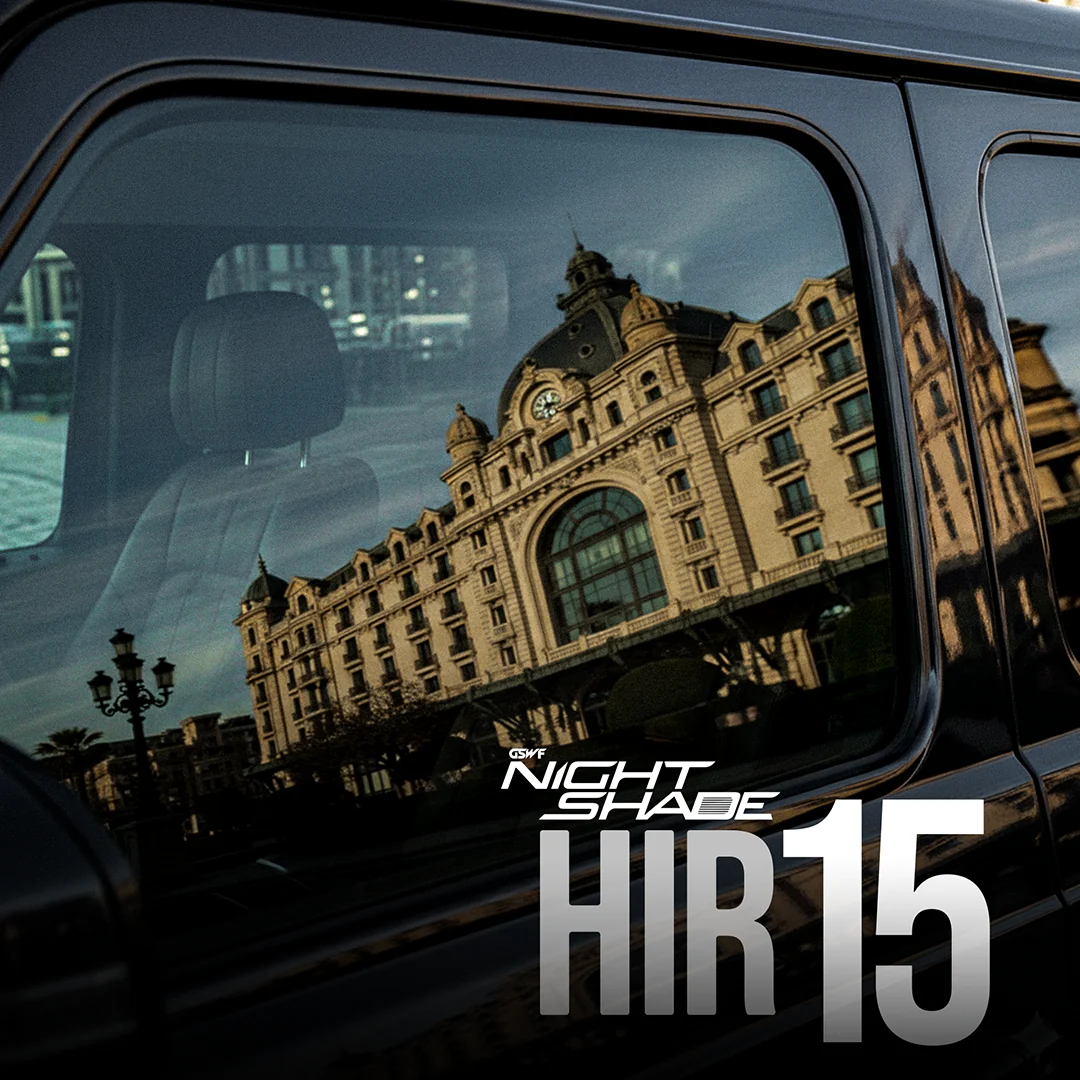
3. The 4-step TD exemption process
●Step 1 — install a compliant film
Use a compliant ceramic tint (GSWF's ceramic range) so the optical numbers comfortably exceed the TD's 70% VLT rule for the windscreen and front side windows.
●Step 2 — fill in the form and email TD (LGWR can do this for you)
Complete the TD's "Application for Exemption (Vehicle Glass / Tinting Film)" (downloadable from the TD public forms page). Send it with a copy of the vehicle registration document (log book) by email to the relevant TD unit for initial screening.
●Step 3 — receive the SMS and go to Tsing Yi
Once the paperwork clears, TD sends an SMS with a date and time. Bring the car to the Tsing Yi Vehicle Examination Complex at that appointment.
●Step 4 — on-site measurement and pick up the certificate
The examiner measures VLT with professional instruments. This normally takes only a few minutes; once the numbers pass, you walk out with the official exemption on the spot.
LGWR client benefit: we handle steps 1 and 2 for you. The paperwork and the email submission are exactly the parts owners hate most — we pre-fill your basic details, submit the email application, and you just wait for the TD SMS before driving to Tsing Yi.
4. Inside and outside — pair your tint with a full-car PPF
Compliant, high-performance ceramic tint fixes cabin comfort and interior UV. But your factory paint is still exposed every day to stone chips, door strikes in tight car parks, and the aggressive UV / acid rain cycle of a Hong Kong summer.
We strongly recommend against partial front-only PPF. Rear arches and side doors take a huge share of real-world damage, and partial coverage leaves a visible colour/gloss line as the exposed panels age.
Only full-car PPF delivers 360-degree defence. LETS GET WRAP publishes a transparent full-car TPU price band of HK$19,800 to HK$26,800 — a decisive upgrade for owners of Tesla, Porsche, BMW and beyond.
5. Why choose LETS GET WRAP — 365 days a year, no "orphan orders"
Many Hong Kong owners can only handle car business on weekends and public holidays — but many wrap shops close on exactly those days. When you have an accident, need an insurance report or need an emergency touch-up during a holiday, they're unreachable, and your order becomes an "orphan" with no after-sales support.
●365-day service
Our flagship and one-to-one consultation service is open 365 days a year — weekends, Easter, Christmas and Lunar New Year included.
●International detailing support
LGWR is also the exclusive Hong Kong Experience Store for KOCH-CHEMIE, with 200+ premium products covering paint protection, cleaning and detailing.
●Transparent full menu
Full-car PPF HK$19,800–$26,800; coatings and detailing HK$1,000–$6,000; professional wash and detailing HK$170–$2,300 — every service tracked by a dedicated advisor.
Related reading: PPF services overview · PPF maintenance SOP
Authoritative sources: GSWF official site · HK Transport Department vehicle condition guidance
Further reading: for the light transmission each window needs to stay legal, see Hong Kong window tint law and VLT limits.

Ready for a professional PPF install?
Book LETS GET WRAP today
Our GSWF Tier-1 certified team will spec the right protection package for your car.
Get in touch


