PPF Buying Guide
[Debunking the Cheap Trap] Why Do Cheap Taobao / Inferior PPF Films 'Destroy' Your Car's Original Paint?
Part of the PPF BY CAR topic hub
![[Debunking the Cheap Trap] Why Do Cheap Taobao / Inferior PPF Films 'Destroy' Your Car's Original Paint?](https://wsrv.nl/?url=www.letsgetwrap.com%2F__l5e%2Fassets-v1%2Fdf8d71e5-fc74-47ad-bd59-32dcbed448f9%2Fcheap-ppf-cover-v3-en.webp&w=1200&output=webp&q=78)
Choosing the studio matters more than choosing the film. car wrapping Hong Kong — The guide's 7-point installer checklist is worth reading before you place a deposit.
In Hong Kong, getting a full-car PPF (Paint Protection Film) installed at a reputable car detailing center usually costs between HK$15,000 and HK$30,000. Faced with this considerable expense, many car owners start searching online, and on Taobao or at some garages advertising 'super cheap prices,' they find 'ultra-affordable protective films' that can cover the entire car for just three to four thousand dollars.
"Wow! So much cheaper, and it's just a clear film, what's the difference?" Many car owners, driven by this desire for a bargain, unwittingly send their beloved cars into an abyss of no return. Today, we're going to brutally tear off the deceptive mask of these cheap PPFs and thoroughly expose the biggest cheap trap in the car detailing industry. Why does applying inferior protective film not only offer no protection but actually 'destroy' your precious original car paint? Car owners must be wary of these four fatal dangers!
1. The Lie of Core Material: You Might Just Be Buying 'High-End Cling Film'
Genuine, protective PPF must use top-grade aliphatic TPU (Thermoplastic Polyurethane) as its core substrate. TPU is extremely expensive and possesses strong tensile strength, high elasticity, and excellent UV resistance. Those inferior products that cost a few thousand dollars for a full car, in order to cut costs, are almost 100% made of PVC (Polyvinyl Chloride) or what's commonly known as TPH (PVC with plasticizers added).
| Feature | Genuine PPF | Inferior / Cheap Film |
|---|---|---|
| Core Substrate | Top-grade aliphatic TPU | PVC or TPH (PVC with plasticizers) |
| Impact Performance | Acts like a trampoline to deflect impact | Hard plastic sheet easily punctured without cushioning |
| Sunlight & UV Aging | Excellent UV resistance | Yellows severely in 6 months to 1 year, leading to cracking |
●Zero Protection
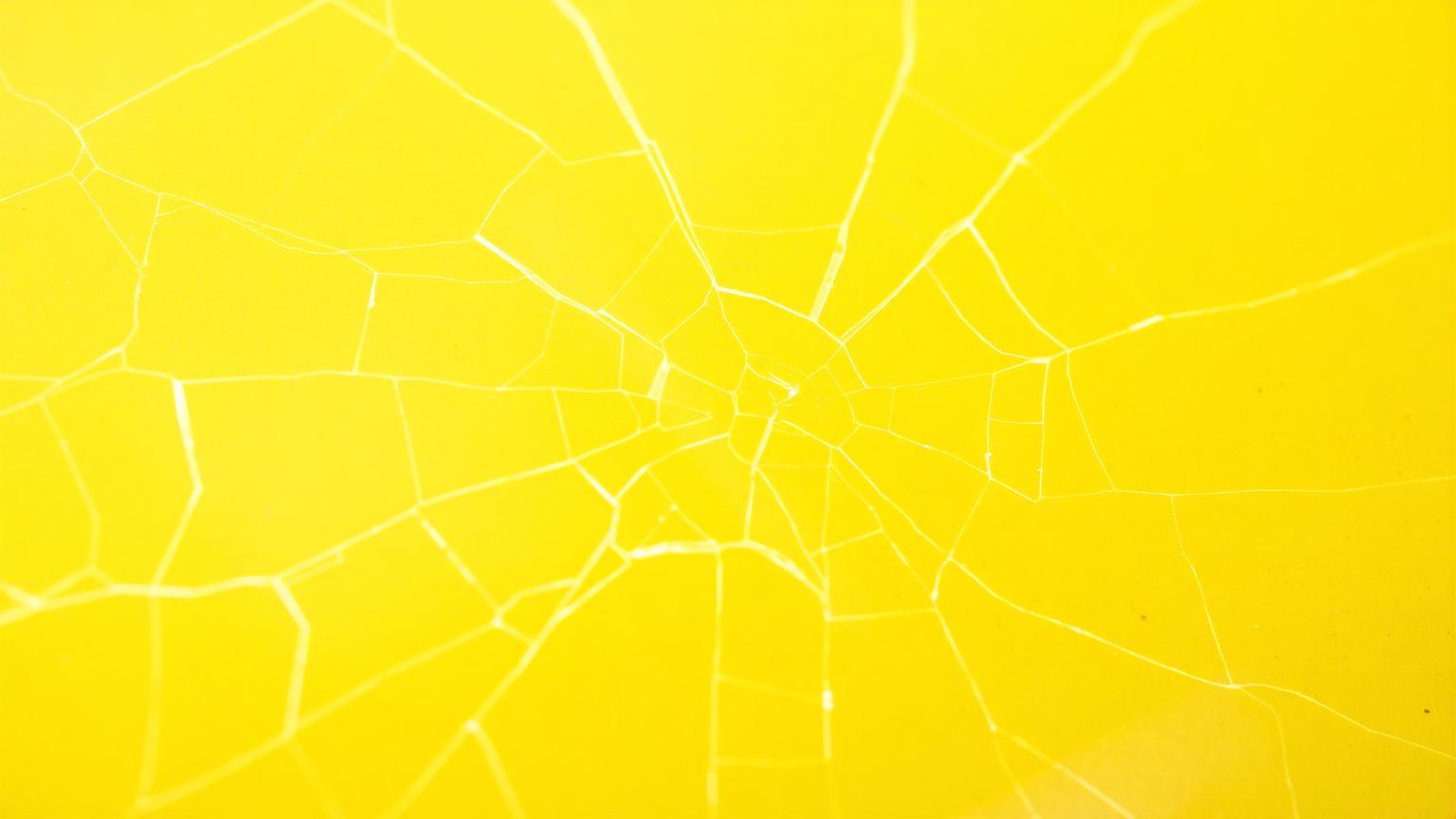
PVC material is extremely rigid and lacks elasticity. When road debris hits the car at high speeds, quality TPU acts like a trampoline, deflecting the impact. In contrast, inferior PVC/TPH, being a hard plastic sheet, will be directly punctured, potentially shattering the underlying paint layer as well, offering no cushioning or protection whatsoever.
●Rapid Yellowing and Cracking
PVC is highly susceptible to UV radiation. Typically, after six months to a year, under Hong Kong's intense sunlight, cheap films will begin to yellow severely, even turning into a repulsive brownish-yellow. Subsequently, the plastic molecules in the film will completely degrade, leading to widespread cracking, making the car look a hundred times worse than if it hadn't been washed.
2. The Horrific 'Adhesive Residue' Hell: A Chemical Disaster Under High Heat
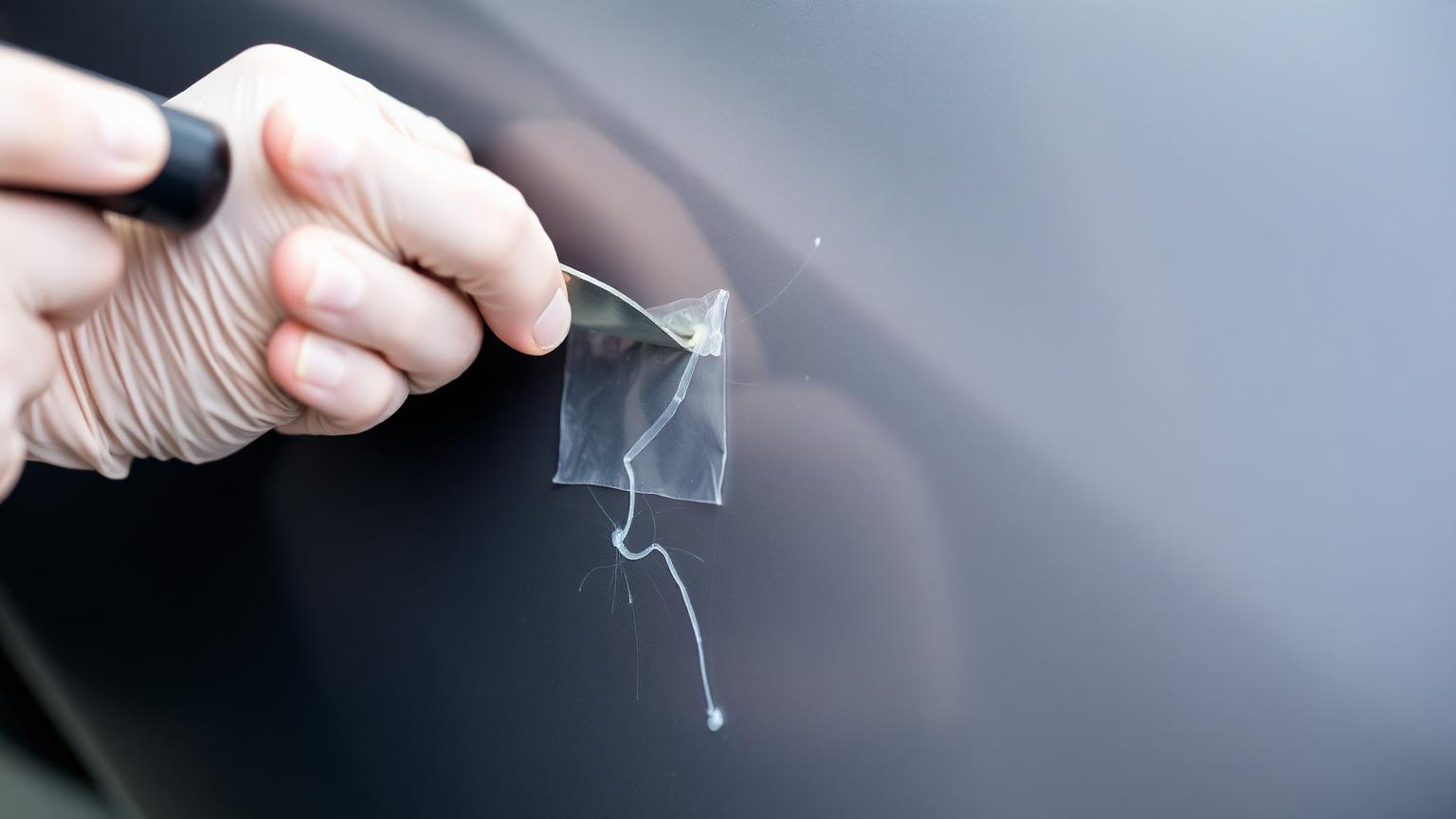
The most terrifying destructive power of inferior protective film lies not in its surface, but in the unseen adhesive layer on its back. Quality PPF uses high-tech 'removable pressure-sensitive adhesive,' which, even after five or eight years of sun and rain, can be removed cleanly without damaging the car paint. However, cheap films often use extremely low-cost industrial adhesives.
●Chemical Fusion
A car's engine hood reaches extremely high temperatures during operation, and with direct sunlight in summer, the car's surface temperature can exceed 60 degrees Celsius. Under this prolonged high-temperature baking, inferior industrial adhesives undergo chemical degradation, slowly reacting with the car's clear coat, and can even completely fuse and bond permanently.
●Catastrophic Adhesive Removal
When you try to remove a yellowed and cracked film, the nightmare truly begins. The inferior film will break off in small pieces, leaving thick, stubborn adhesive residue firmly stuck to the car paint. Car detailing shops must use extremely strong adhesive removers (often containing highly corrosive thinner components) along with scrapers to forcefully remove the residue. This process carries a high risk of scratching the original factory paint and can even cause the paint to lose its original luster.
3. The Tragedy of 'Peeling Off Paint': Film Removal Leading to Original Paint Delamination
If the adhesive residue has firmly bonded with the car paint, and the inferior film itself has become extremely brittle, the greatest damage will occur when technicians or car owners attempt to forcefully tear off the film – pulling off the original car paint from its roots!
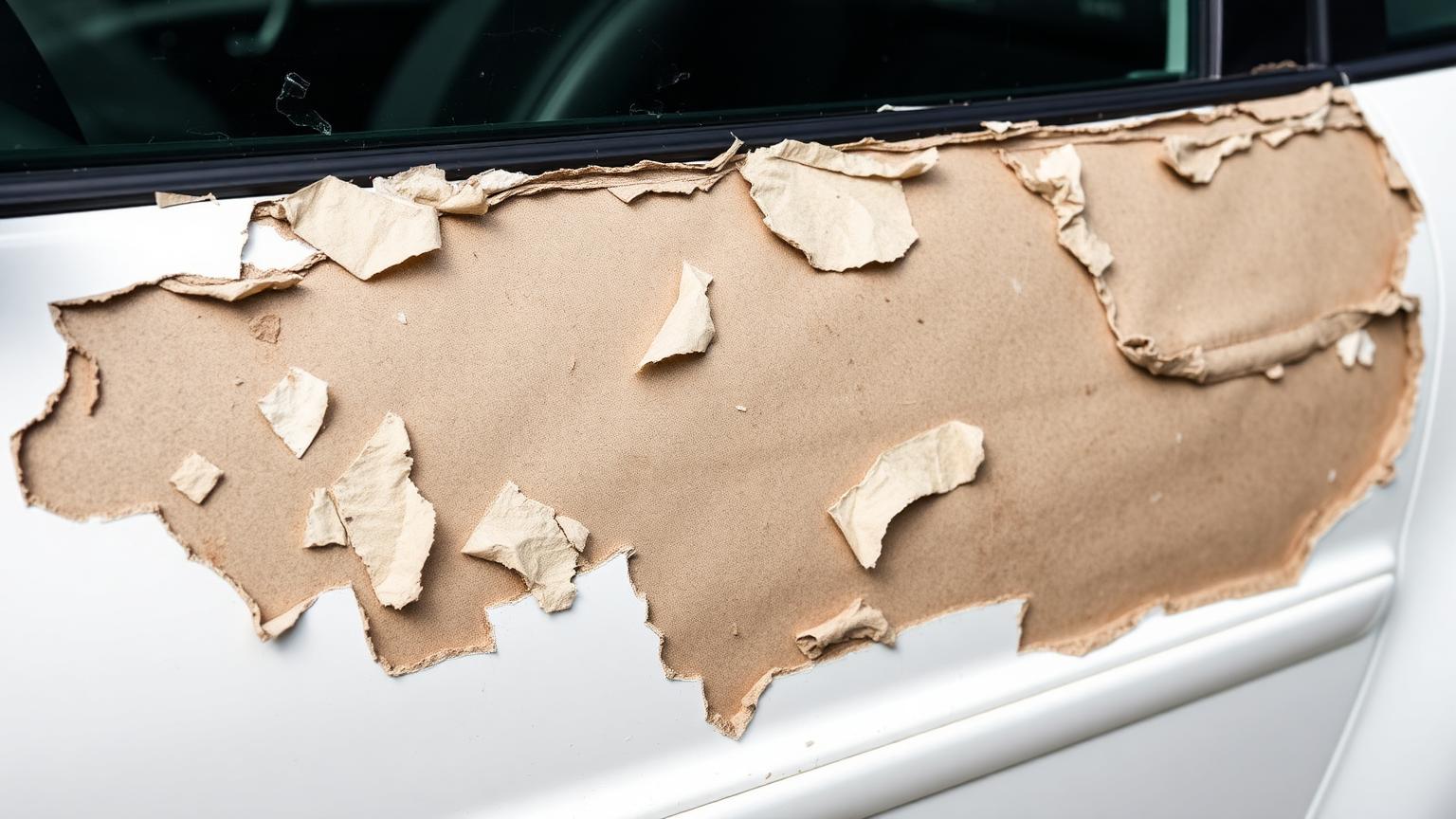
We have seen countless tragic cases in the car detailing industry where car owners, trying to save money, applied Taobao film. Two years later, when removing the film, the original paint on the roof or car door peeled off like skin, exposing the underlying metal panel. Once this happens, the only remedy is to completely re-panel and repaint the entire body. The thousands you saved initially will ultimately cost tens of thousands to repaint the car, and your beloved car will lose its invaluable 'original paint' status, causing a significant drop in its resale value. It's absolutely not worth it!
4. Inferior Installation Techniques: The Hidden Damage of 'Knife Cuts on Paint'
Cheap film usually comes with cheap workmanship. Quality car detailing centers use a 'computerized cutting system (DAP)' to pre-cut the PPF to fit your car model, minimizing the need to cut on the car itself.
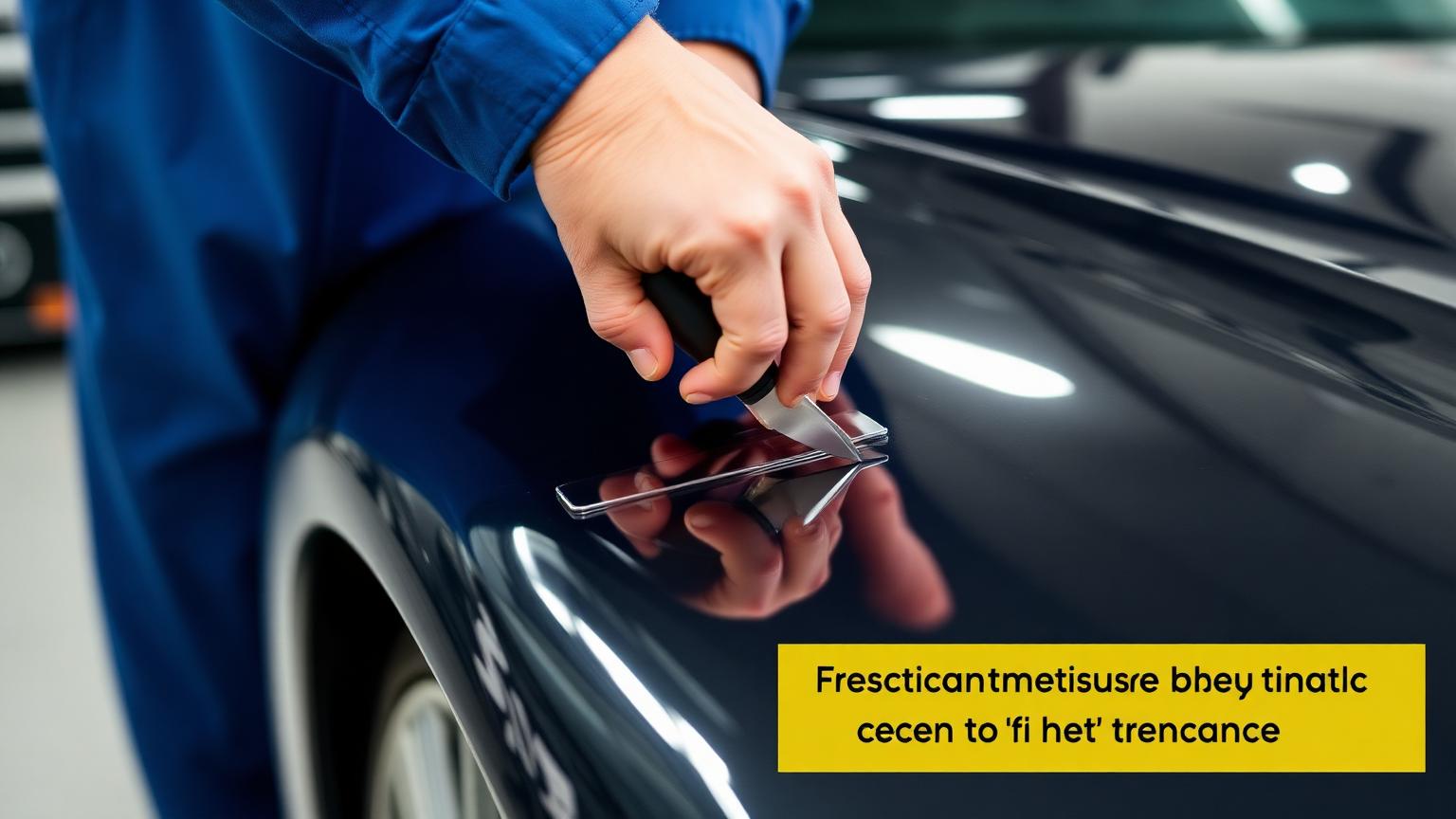
However, cheap garages, to save costs, mostly use the most primitive 'manual film cutting.' Technicians will lay a large sheet of film on the car and then directly use a utility knife to cut along the car's edges and seams. If the technician's skill is not proficient enough, or their force control is improper, the utility knife can easily cut through the protective film, leaving deep, long knife marks directly on your original car paint! The worst part is that these knife marks are covered by the newly applied protective film, so car owners cannot see them during vehicle handover. It's only years later when the film is removed, or when rust is found unexpectedly at the edges during car washing, that they realize their beloved car has been severely damaged all along.
5. Conclusion: There's No 'Cheap and Good' in Car Detailing, Only 'You Get What You Pay For'
Based on all the fatal dangers mentioned above, we can draw an ironclad conclusion: if your budget is truly very limited, you'd rather diligently wash and wax your car every month, or get a basic coating, but absolutely, definitely, under no circumstances should you apply inferior, cheap PPF!
Applying inferior film is like dressing your car in a tight suit soaked in poison. Not only will it fail to resist external physical damage, but it will also slowly corrode your most precious original car paint from the inside out. There's a saying in the car detailing industry: "The most expensive protective film is actually the cheap film that ruins your car." When you're preparing to upgrade your car's protection, be sure to choose internationally renowned brands, use pure TPU material, and have it installed by a reputable professional shop. Remember, protecting original car paint is a long-term investment. Chasing short-term cheap prices will ultimately lead to a heavy and unbearable cost!
Related reading: PPF services overview · PPF maintenance SOP
Authoritative sources: XPEL official PPF product page
Ready for a professional PPF install?
Book LETS GET WRAP today
Our GSWF Tier-1 certified team will spec the right protection package for your car.
Get in touch


![[Paint Restoration Special] Deep Restoration of Ultimate Car Paint Shine: What to Pay Attention to During Polishing? Why Do We Insist on Using German Koch-Chemie P6.02?](https://wsrv.nl/?url=www.letsgetwrap.com%2F__l5e%2Fassets-v1%2F6397e4f2-331a-4749-9475-9c623b2fb998%2Fblog-koch-chemie-p602-polishing-cover-v2-en.webp&w=800&output=webp&q=78)


