PPF Buying Guide
Full Car PPF vs. Partial PPF: How to Choose the Best Option? Practical and Cost-Effective PPF Solutions Recommended
Part of the PPF BY CAR topic hub

After correction, sealing the paint with film protects the work. car wrapping Hong Kong — The guide breaks down how film pricing is calculated (area, disassembly, film grade).
Once you understand the importance of PPF (Paint Protection Film) for safeguarding your original car paint and decide to give your beloved car this ultimate upgrade, you'll inevitably face a very real question: budget. Undeniably, applying premium TPU PPF to the entire car is not cheap. With a limited budget, should you "bite the bullet and go for full car PPF" or "be smart and opt for partial PPF"?
In fact, there's no absolute right or wrong in car detailing; it's all about what suits you best. To help you overcome decision paralysis, today we'll thoroughly analyze the advantages and disadvantages of full car PPF and partial PPF. We'll also recommend the most practical and cost-effective PPF solutions tailored to different car owners' driving habits, parking environments, and budgets, teaching you how to make every penny count!
1. Full Car PPF: Impeccable Ultimate Protection
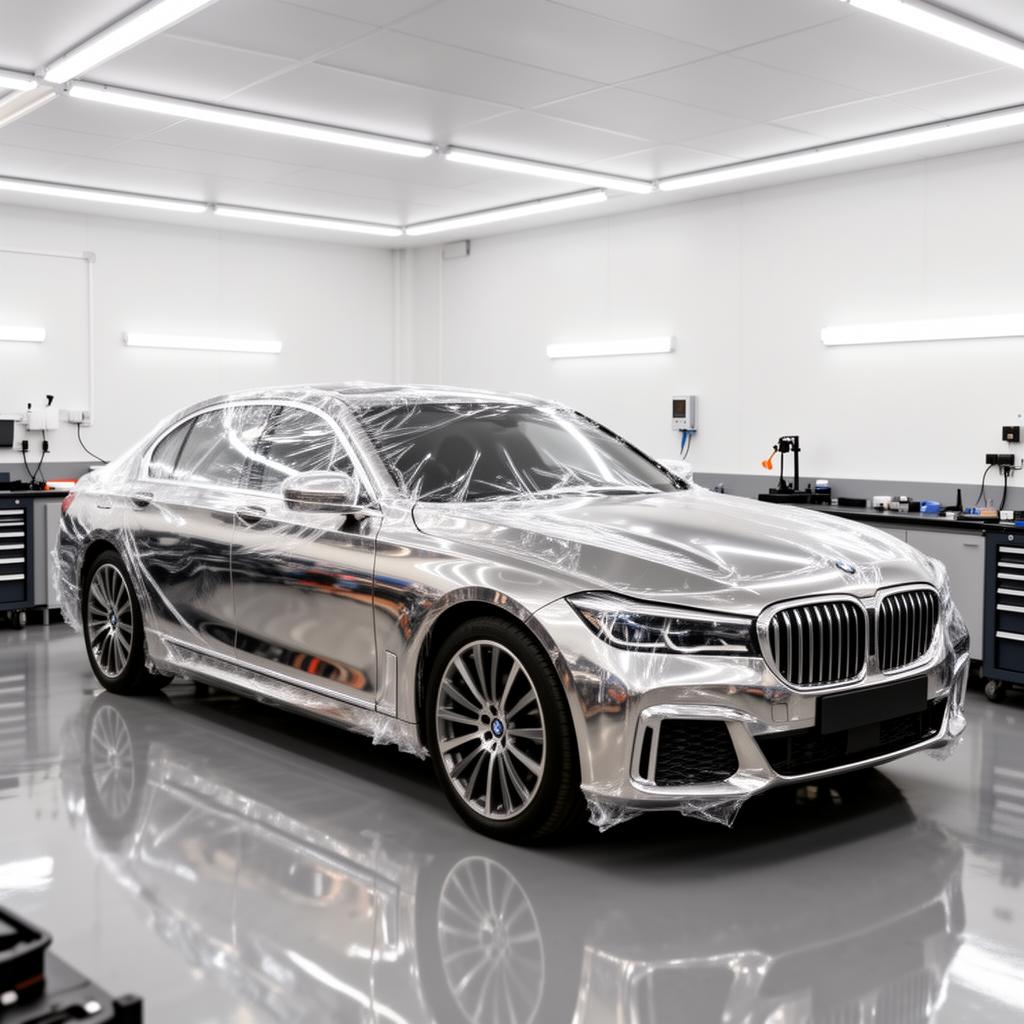
As the name suggests, full car PPF involves covering all exposed painted surfaces of the car body, including the roof, doors, fenders, bumpers, side mirrors, etc., with PPF.
●The Absolute Advantage: No Blind Spots
Full car PPF is the most comprehensive solution, offering 100% physical protection. Whether you're facing flying debris on the highway, a door ding from an adjacent car in a parking lot, or even malicious scratching on the rear, full car PPF can shield your vehicle from it all. Furthermore, after a full car wrap, the body's gloss will be perfectly consistent, eliminating any visual discrepancy of 'one side shinier, one side duller.' Car washing will also be extremely convenient, as the entire car can be washed without concern, with no need to avoid any seams.
●Sole Considerations: Budget and Time
Full car installation requires extremely high levels of craftsmanship and materials, making it the most expensive option. Concurrently, the installation time is also longer, typically requiring three to five days for perfect delivery.
●Suitable For
Car owners with ample budgets, owners of luxury sports cars or executive sedans, extreme perfectionists, and car enthusiasts who plan to own a vehicle long-term (over five years) and highly value its resale value.
2. High Cost-Effectiveness: "Front-End Package" Partial PPF
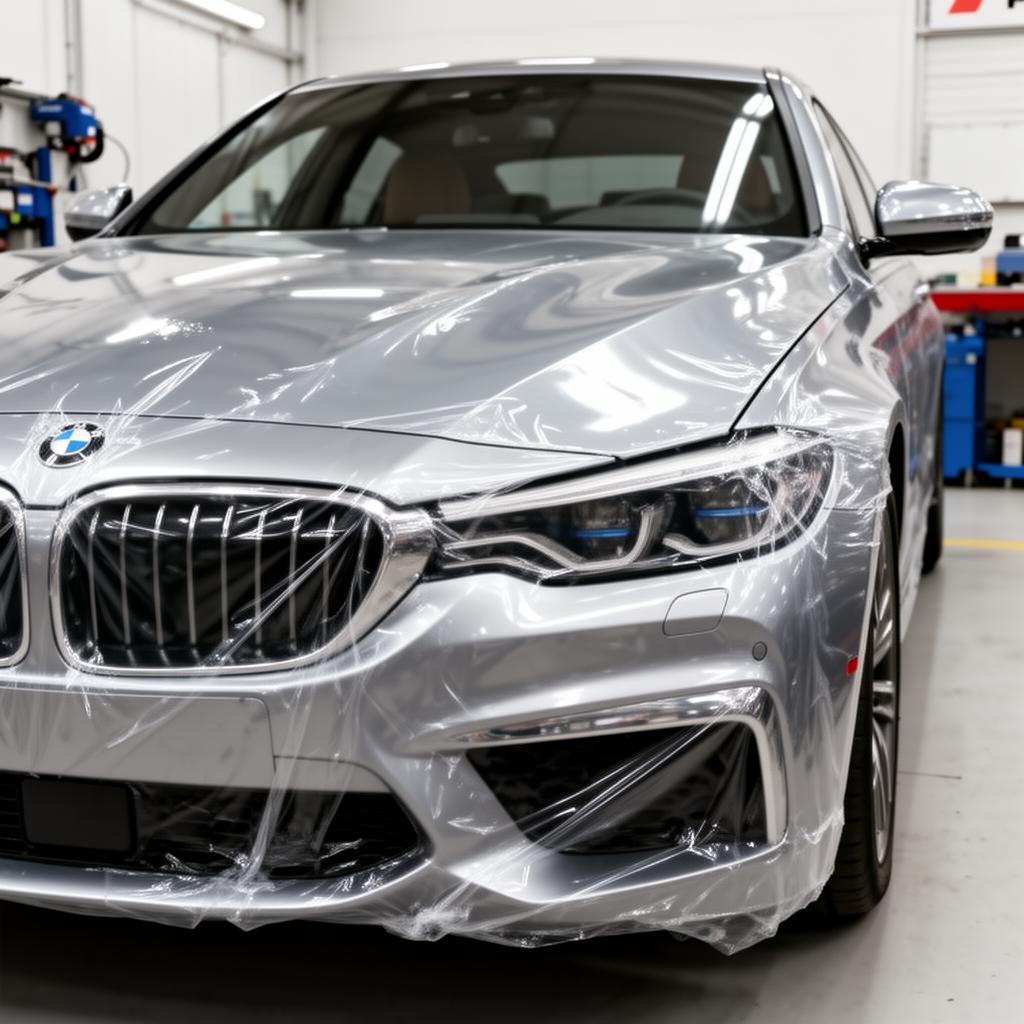
If your budget is limited but you still want to protect the most vulnerable areas, the most popular and cost-effective solution in car detailing is definitely the "Front-End Protection" package.
●Targeted Protection, Strategic Impact
The 'leading edges' typically include the Front Bumper, Full Hood, Front Fenders, and Side Mirrors. These areas are precisely the first line of defense that directly face strong winds, sand, stones, and insect impacts when the car is in motion.
●Advantages: Block 80% of Damage for Half the Price
According to statistics, over 80% of car exterior damage cases occur at the front of the vehicle (e.g., stone chips on highways). A leading edge package typically costs only about one-third to half the price of a full car wrap, yet it perfectly mitigates the most critical threats, offering exceptional value for money.
●Potential Disadvantages: No Protection for Sides and Rear
Since the car doors and rear are not covered by PPF, the original paintwork will still be damaged if a 'door ding' occurs in a parking lot or if the rear is accidentally scratched while parking.
●Suitable For
Car owners who commute daily on highways, rational consumers who prioritize practicality and value for money, and car owners whose vehicles are primarily parked in indoor, fixed parking spaces (less prone to door impacts).
3. Ultimate Budget Solution: Custom Partial PPF for Vulnerable Areas
If even the front-end package budget feels too high, but you genuinely want to protect certain specific areas of your car that are prone to scratches, you can consult with a professional car detailing shop for custom partial PPF.
| PPF Option | Coverage Area | Cost Level | Target Car Owners |
|---|---|---|---|
| Full Car PPF | All exposed painted surfaces | Most expensive option | Car owners with ample budgets |
| Front-End Package | Front bumper, hood, fenders, side mirrors | One-third to half of full car wrap | Highway commuters and indoor parkers |
| Custom Partial PPF | Door cups, edges, trunk ledge, headlights | Few hundred to over a thousand HKD | Car owners with extremely limited budgets |
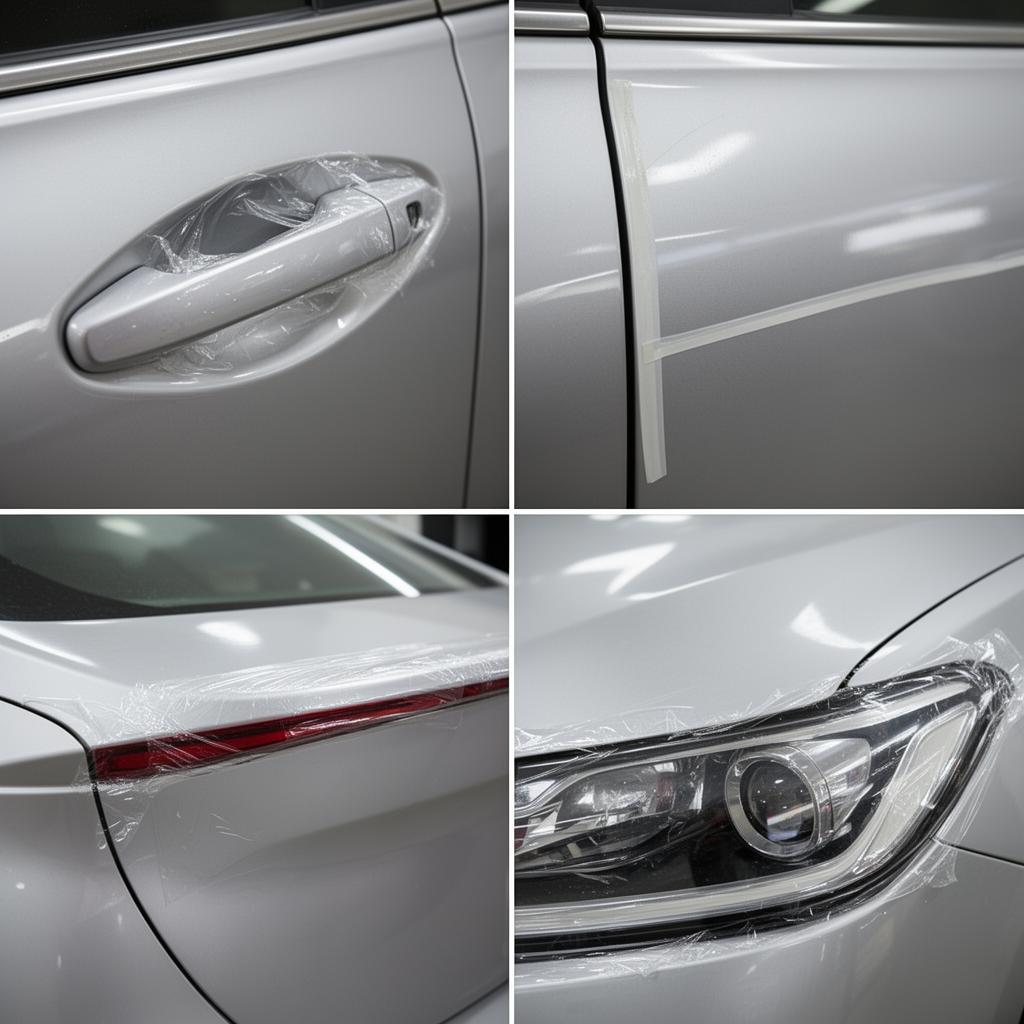
●Door Cups
Scratched by fingernails every time the door is opened, accumulating over time into white scuff marks.
●Door Edges
The most common area for paint chipping when a door accidentally hits a wall or an adjacent vehicle.
●Trunk Ledge
Frequently loading and unloading strollers, golf bags, or luggage, making the area above the rear bumper highly susceptible to scratches.
●Headlights
Headlight lenses are susceptible to cracking from stone chips or yellowing due to UV exposure. Applying PPF offers protection against impacts and prevents yellowing.
The advantage is minimal cost, usually a few hundred to over a thousand HKD, specifically addressing the most annoying minor scratches. The disadvantage is that the protected area is too small, offering limited overall paint protection. This option is suitable for car owners with extremely limited budgets, users seeking ultimate cost-effectiveness, or those who bought a used car and only want partial refurbishment and protection.
4. "Visual Discrepancy" Issue with Partial PPF
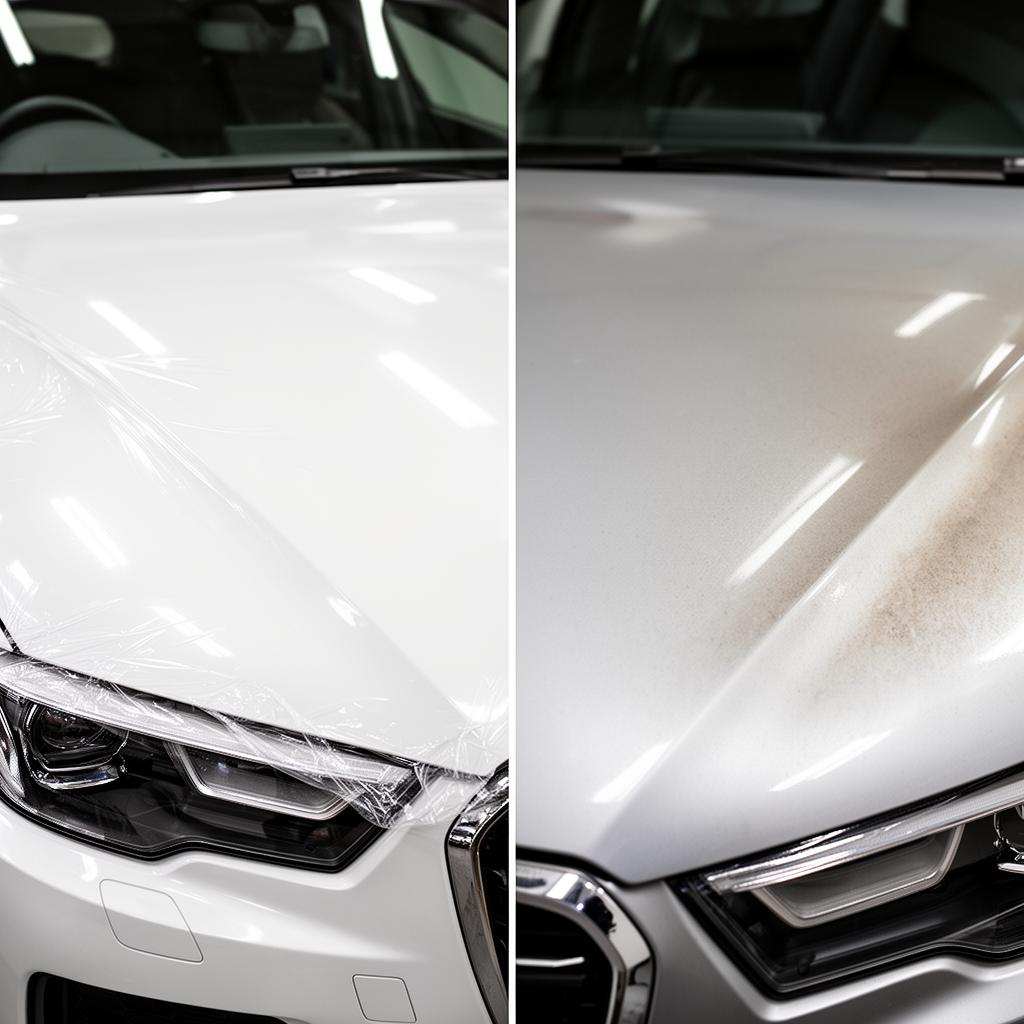
Many car owners' biggest concern with partial PPF is the potential for a "two-tone" effect. If you use high-quality, high-transparency TPU protective film, immediately after application, the difference in gloss between the filmed and unfilmed areas is almost imperceptible to the naked eye.
However, because PPF has strong UV resistance, it blocks sun damage to the paint; whereas unfilmed areas (e.g., car doors) will be continuously exposed to UV rays, undergoing natural oxidation and slight fading. After a few years, when you remove the PPF from the front of the car, you might find that the protected paint surface is still vibrant and new, while the unprotected doors have slightly dulled, leading to a subtle color difference.
To address this, it's recommended to regularly wax or ceramic coat the unfilmed areas to slow down the oxidation process and minimize the difference in condition.
5. Conclusion: Do What You Can Afford, What Matters Most Is What Suits You!
There's no standard answer to whether to choose full car or partial PPF. The smartest approach is to make a decision based on your actual driving habits.
If you drive on Tolo Highway every day, often following dump trucks, then the "Front-End Package" is definitely your top choice. If your estate's parking spaces are notoriously narrow, making door dings common, then you'd best bite the bullet and go for "Full Car PPF." The ultimate goal of car detailing is to make you enjoy driving and park with peace of mind. Communicating your needs and budget in detail with a professional installation center and choosing a PPF solution that makes you feel most comfortable and stress-free is truly the smart way to care for your car!
Related reading: PPF services overview · PPF maintenance SOP
Authoritative sources: XPEL official PPF product page · HK Transport Department vehicle condition guidance
Ready for a professional PPF install?
Book LETS GET WRAP today
Our GSWF Tier-1 certified team will spec the right protection package for your car.
Get in touch


