PPF Care & Maintenance
Don't Panic! Bubbles After PPF Installation? A Complete Guide to Causes and Golden Maintenance Tips
Part of the PPF BY CAR topic hub

Choosing the studio matters more than choosing the film. car wrapping Hong Kong — The guide's 7-point installer checklist is worth reading before you place a deposit.
Many Hong Kong car owners, to protect their beloved car's original paint from road debris, bird droppings, and acid rain, choose to have Paint Protection Film (PPF) applied at professional car detailing centers. After spending tens of thousands of dollars to give your car this 'invincible bulletproof vest,' you might pick it up from the garage or notice a few days later that the smooth car surface has developed hazy white patches or even tiny 'bubbles'!
Dear car owners, take a deep breath, there's no need to panic! Today, we're here to put your minds at ease and thoroughly explain the real reasons behind bubbles appearing after PPF installation. In most cases, these bubbles are a completely normal physical phenomenon, an essential part of the PPF's 'curing process' after application.
1. In-Depth Look: Why Do Bubbles Appear After PPF Installation?
To understand why bubbles form, we first need to understand the PPF installation process. Currently, most car detailing professionals use the 'wet application' method when applying TPU-based transparent protective film to vehicles.
●The Necessity of Wet Application
PPF's adhesive is extremely strong. If applied 'dry' to the car body like a sticker, technicians would be unable to align the film. A single misapplication would prevent repositioning and create numerous permanent creases. Therefore, technicians must spray a generous amount of specialized 'installation solution (Slip Solution / Gel)' onto both the car paint surface and the PPF's adhesive backing. This solution typically consists of pure water with a minimal amount of neutral lubricant.
●Squeegeeing Cannot Achieve 100% Vacuum
Once the technician lays the PPF on the car body and aligns it, they use a professional rubber squeegee to forcefully push out the installation solution and air from beneath the film, ensuring a tight bond between the adhesive and the car paint. Although skilled technicians can remove over 95% of the moisture, due to the car body's various curves, body lines, and subtle imperfections, a minuscule amount of moisture inevitably remains between the PPF and the car paint.
●Moisture Accumulation Forms Bubbles
Over time, this residual moisture slowly accumulates beneath the film, forming visible tiny moisture bubbles or causing certain areas to appear 'hazy'. Because modern top-tier TPU protective films possess microscopic breathability, this moisture will eventually permeate the protective film and evaporate into the air. Therefore, bubbles are merely a temporary phenomenon during the moisture evaporation process.
2. Expert Identification: Normal Moisture Bubbles vs. Abnormal Air Bubbles – How to Spot the Difference!
| Phenomenon | Characteristics | Outcome |
|---|---|---|
| Moisture Bubbles & Haze | Small, rounded, contains liquid or mist | Disappears naturally within a few weeks |
| Air Bubbles | Pure air, no liquid, sharper edges | Will not disappear on their own |
| Dirt / Dust Bubbles | Contains sand speck, dust, or hair in center | Cannot self-correct; requires technician |
| Lifting / Peeling | Large dry lifting on edges, corners, or seams | Requires immediate center reapplication |
●Normal Phenomena: Moisture Bubbles and Haze
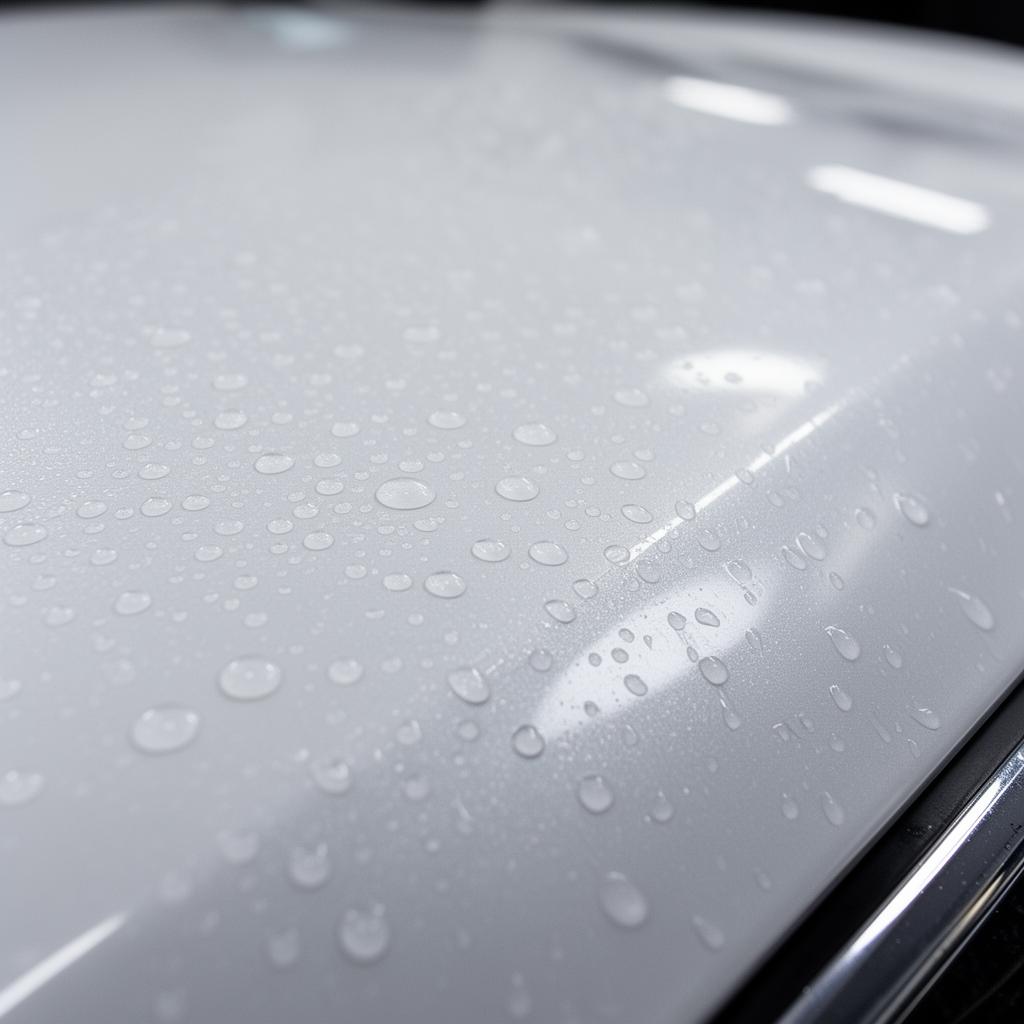
Normal moisture bubbles are typically small, relatively evenly distributed, and have a more rounded shape. If you observe them from the side, you'll notice a small amount of liquid or mist inside. Under sunlight, the surrounding film surface might exhibit a slight haze or rainbow effect. This moisture will gradually shrink and eventually disappear completely within a few weeks due to solar heat and UV exposure, restoring the car paint's ultimate clear luster.
●Abnormal Phenomenon One: Air Bubbles
The main difference between air bubbles and moisture bubbles is that air bubbles contain pure air with no liquid. Air bubbles usually have sharper edges and feel distinctly hollow and bouncy when pressed. If the technician's squeegeeing technique during installation was poor, trapping a large pocket of air, these air bubbles will absolutely not disappear on their own.
●Abnormal Phenomenon Two: Dirt/Dust Bubbles
If you can visibly see a distinct black speck of sand, dust, or even a hair in the center of a bubble, this is a dirt/dust bubble. This occurs due to an insufficiently dust-free installation environment or inadequate pre-wash preparation, leaving contaminants on the car paint surface. Dirt/dust bubbles also cannot self-correct and must be addressed by a technician.
●Abnormal Phenomenon Three: Lifting / Peeling
If the PPF shows large, irregular areas of lifting on door edges, intricate corners, or seams, and these areas are dry, it indicates improper edge wrapping or loss of adhesive tack. You must immediately contact the installation center for reapplication, otherwise, a high-pressure washer during future car washes could lift the entire film.
3. Golden Period After Installation: Accelerating Bubble Disappearance and Proper PPF Maintenance Guide
●The Greatest Magic: Sun Exposure
Sunlight is the best catalyst for accelerating bubble disappearance. UV rays and heat expand the microscopic pores of the TPU material while speeding up the evaporation of moisture beneath the film. It is recommended to park your car outdoors in a sunny spot for the first few weeks after PPF installation. The more natural heat it absorbs, the faster the bubbles will dry and disappear.
●Absolute Taboo: Never Press or Puncture Bubbles with Your Hands
This is the most common and fatal mistake car owners make! When you see bubbles, you might feel an obsessive urge to squeeze the water out with your fingers or consider puncturing them with a needle to release the water. Absolutely do not do this! Forcefully pressing with your hands can cause displacement of the not-yet-fully-bonded adhesive, creating permanent adhesive lines that cannot be smoothed out. Puncturing with a needle directly compromises the protective integrity of the PPF, rendering the protective film useless. Remember two words: Leave them!
●Patience Period: Absolutely No Car Washing for the First 7 to 14 Days
For the first one to two weeks after protective film application, the adhesive and car paint are in a highly sensitive bonding phase. During this time, if you rinse with a hose or even use a high-pressure washer, the strong water pressure and flow can very easily seep under the film along the edges, enlarging existing bubbles or even lifting the entire film. Please be patient and wait until the bubbles have completely disappeared and the edges are fully bonded before performing routine car wash maintenance.
●Avoid Contact with Extreme Chemicals
During the curing period, avoid exposing the car body to strong acid or alkaline liquids. If tree sap or bird droppings unfortunately land on the surface, gently dab them off as soon as possible with a slightly damp microfiber cloth. Do not rub back and forth forcefully.
4. How Long Until It Dries? How Do Hong Kong Weather and Environmental Factors Affect PPF?
Many car owners ask: 'How long will it take for the bubbles to disappear?' There's no absolute standard timetable, as it mainly depends on the local weather and humidity.
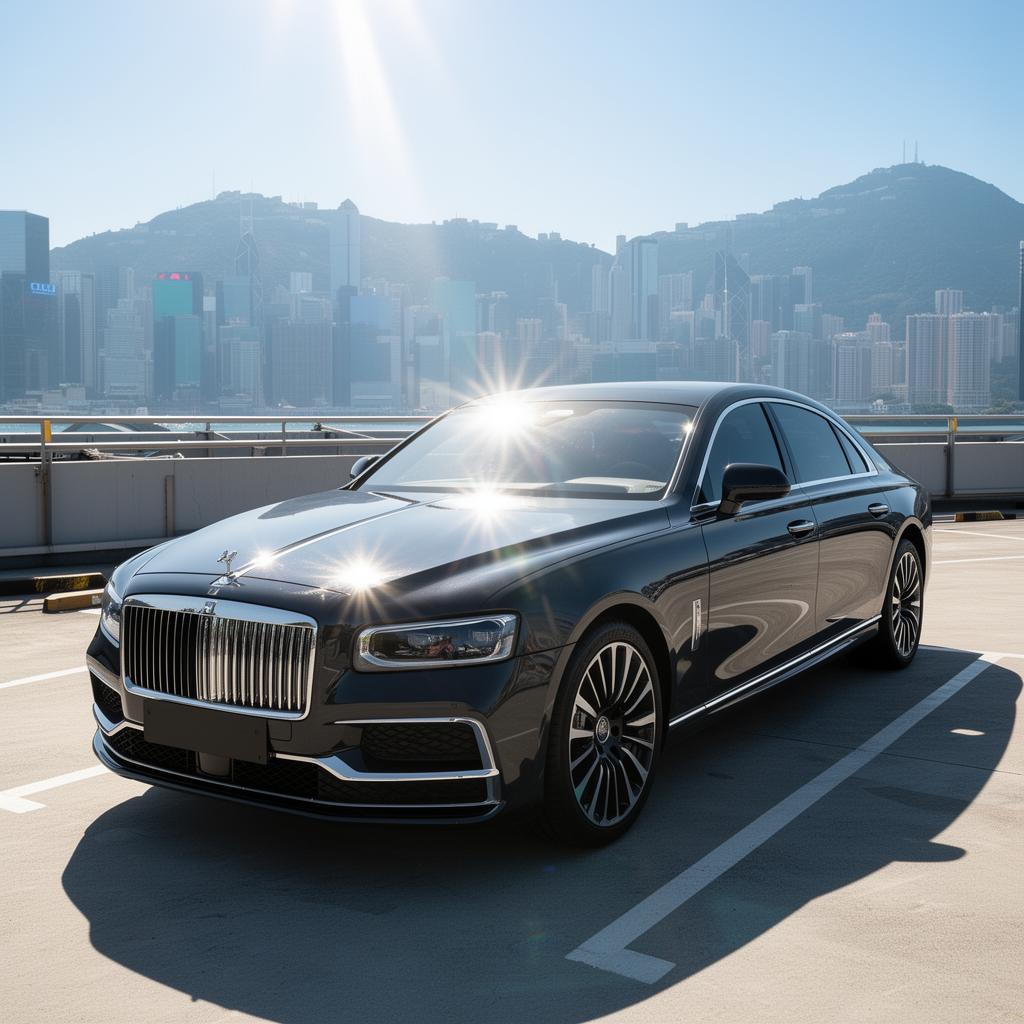
In Hong Kong, the climate changes significantly with the seasons. If you have the film installed during the hot summer (June to September), with intense sunlight and temperatures reaching over 30 degrees Celsius, moisture usually evaporates very quickly. Most bubbles and haze will naturally dissipate within about one to two weeks. However, if you have the film installed during the cold, wet winter or the rainy season (e.g., February to April's 'back to south' weather), air humidity is extremely high (sometimes over 90% relative humidity), making it difficult for moisture to evaporate into the air. In such extremely humid conditions with a lack of sunlight, the PPF's curing period will be significantly extended, and bubbles might take three weeks or even up to a month to disappear completely. Therefore, if you have the film installed in winter, car owners need to be more patient and not rush the process.
5. Conclusion: Choose a Quality Car Detailing Center to Minimize Bubble Worries
In summary, the appearance of minor bubbles and haze after PPF installation is an absolutely normal physical transition period. Car owners only need to remain calm, allow sufficient time for the moisture to evaporate naturally, ensure plenty of sun exposure during this period, refrain from washing the car, and avoid touching the bubbles. Your beloved car will soon return to its perfectly smooth and clear state.
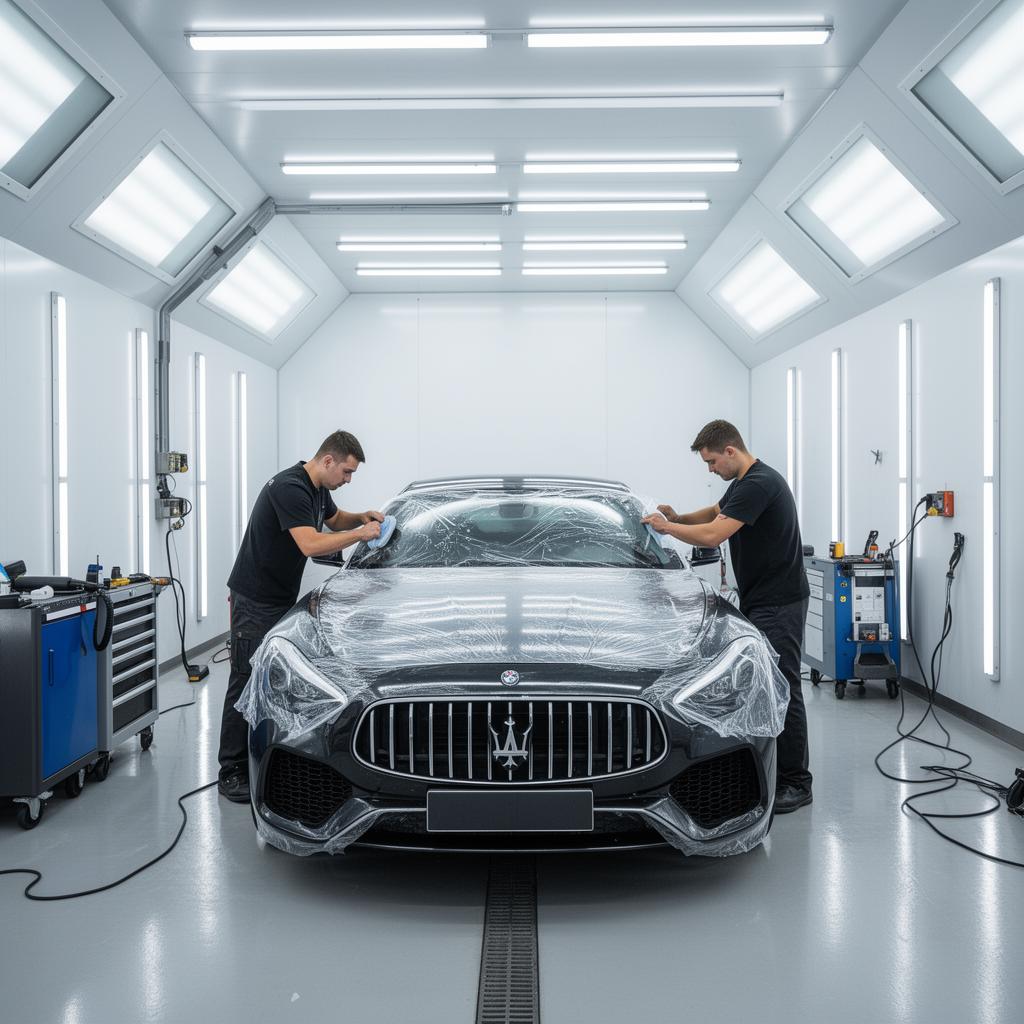
However, to minimize the number and size of bubbles, the most fundamental solution is still to carefully choose a quality car detailing center. A professional shop will have a sealed, dust-free installation workshop, significantly reducing the occurrence of 'dirt/dust bubbles.' Experienced film technicians also know how to precisely control the ratio of installation solution and the force of squeegeeing, reducing water accumulation under the film from the source. At the same time, responsible shops will provide comprehensive post-installation inspection services (usually within one month after installation) to check all edges and any remaining bubbles. By doing your homework, applying this protective film to your car is definitely one of the smartest car maintenance investments you'll make!
Related reading: PPF services overview · PPF maintenance SOP
Qualitative Comparison Table of Post-PPF Installation Issues
| Issue Type | Contents | Can Disappear Naturally | Recommended Action |
|---|---|---|---|
| Normal Moisture Bubbles & Haze | Moisture | Yes | Wait patiently and allow sun exposure |
| Air Bubbles | Pure air | No | Requires return to installer |
| Dirt/Dust Bubbles | Dust particles or hair | No | Requires return to installer |
| Lifting Edges | None (dry) | No | Requires return to installer |
Hong Kong notes: bubbles in PPF after install
●Humid weather slows drying
Small water bubbles left after a wet install usually take longer to disappear in Hong Kong's humid months than in dry weather. Avoid pressing or pricking them yourself.
●When to come back
Bubbles that keep growing, contain dust, or sit on an edge are not normal moisture bubbles. Bring the car back to the installer to check.
●Related guides
Edges lifting? See /en/blog/ppf-edge-lifting-fix. First-week care: /en/blog/ppf-first-7-days-care. Prices: /en/wrap/ppf-price-hk.
●Ask us
LETS GET WRAP, G/F Wang Fung Building, 29 Chi Kiang Street, To Kwa Wan. WhatsApp 9789 7813.
Authoritative sources: XPEL official PPF product page · HK Transport Department vehicle condition guidance
Ready for a professional PPF install?
Book LETS GET WRAP today
Our GSWF Tier-1 certified team will spec the right protection package for your car.
Get in touch


