PPF Buying Guide
[New Car Must-Read] Why Do Over 80% of Car Enthusiasts Choose to Apply PPF Immediately After Getting a New Car?
Part of the PPF BY CAR topic hub
![[New Car Must-Read] Why Do Over 80% of Car Enthusiasts Choose to Apply PPF Immediately After Getting a New Car?](https://wsrv.nl/?url=www.letsgetwrap.com%2F__l5e%2Fassets-v1%2Feb561676-03d8-40fd-8e71-f9e0e999403a%2Fnew-car-ppf-cover-v2-en.webp&w=1200&output=webp&q=78)
New to car film? car wrapping Hong Kong — The full guide covers film types, pricing, choosing a studio and local regulations.
Buying a new car is definitely one of life's great joys! The excitement and satisfaction of receiving the keys in the showroom, gazing at your sparkling, flawless factory paintwork, is truly indescribable. However, the moment you drive your car out of the showroom and onto Hong Kong's roads, your beloved vehicle officially faces countless 'aesthetic crises'.
In recent years, there's been a very clear trend in the car detailing industry: over 80% of car owners, immediately after getting a new car, or even before it's officially registered, will entrust their vehicle to a professional car detailing center to have the entire car covered with PPF (Paint Protection Film). So why has PPF become a 'standard feature' for new cars today? Why do so many car owners prefer to save on other modifications and insist on investing tens of thousands of dollars to apply protective film? Today, we will deeply analyze the 5 ultimate reasons for applying PPF to new cars, from the value of factory paintwork, Hong Kong's road environment, to psychological well-being, and more!
1. Irreplaceable Factory Paintwork: Once Lost, Never Recovered
Many people think that if their car gets scratched, they can just get it repainted at a garage, what's the big deal? This is absolutely the biggest misconception in car maintenance. The value of factory paintwork far exceeds your imagination, and it's a precious 'one-time' asset.
| Item | Key Data & Specifications |
|---|---|
| New Car PPF Adoption Rate | Over 80% |
| Core Reasons Analyzed | 5 ultimate reasons |
| Factory Oven Baking Temp | 150 to 200 degrees Celsius |
| Garage Repaint Max Temp | About 60 degrees Celsius |
| Top-tier TPU Film Lifespan | Five to ten years |
| Comparison Item | Factory Paintwork | Garage Repaint |
|---|---|---|
| Baking temperature | 150 to 200 degrees Celsius | About 60 degrees Celsius |
| Body condition during painting | Bare metal shell without plastic parts or electronics | Filled with plastic, leather, and electronic components |
| Paint hardness and durability | Extremely high hardness, adhesion, and anti-aging | Lower hardness, gloss, durability, and fade resistance |
| Long-term risks | Preserves highest value when sealed with PPF | Can easily show color differences or peel off |
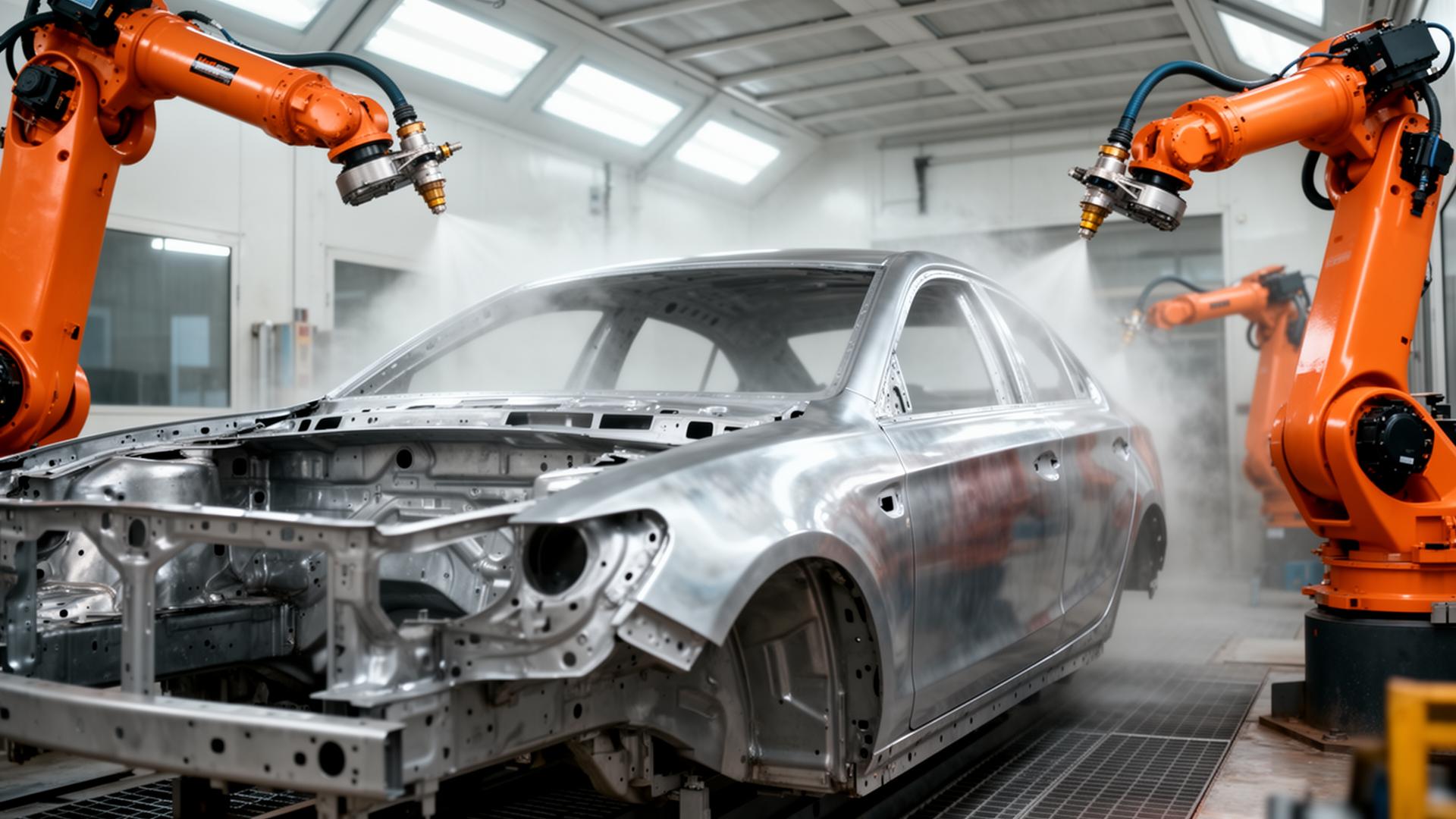
When a car is painted on the production line, the body is just a bare metal shell without any plastic parts or electronic instruments. Therefore, car manufacturers can use ultra-high temperature baking ovens, reaching 150 to 200 degrees Celsius. Under such extreme high temperatures, the chemical molecules of the factory clear coat bond tightly, forming extremely high hardness, incredible adhesion, and perfect anti-aging capabilities.
However, once your car is on the road, it's already filled with plastic bumpers, interior leather, and precision electronic components. If repainting is needed later, a garage's baking oven can only heat up to about 60 degrees Celsius, otherwise all the plastic parts will melt. Without high-temperature baking, subsequently repainted car paint (commonly known as 'respray' or 'baked paint') can never compare to factory paintwork in terms of hardness, gloss, durability, and fade resistance. Over time, repainted areas can easily show color differences or even peel off. Therefore, applying PPF to a new car, permanently sealing the most perfect and durable factory paintwork, is the only way to preserve your car's highest value.
2. Harsh Hong Kong Road Environment: Ubiquitous 'Paint Killers'
Hong Kong's road conditions and parking environment are extremely unfriendly to car exteriors. Even if you're an excellent driver, you can't avoid the following daily damages, and PPF is the strongest shield against these:
●Step 1 – Deflect Stone Chips
Absorb the high-speed impact of kicked-up road debris on highways using PPF puncture resistance.
●Step 2 – Shield Door Dings
Guard door edges against accidental bumps and light scrapes in tight Hong Kong car parks.
●Step 3 – Isolate Corrosives
Block acidic bird droppings and rain with a high-density top coat to avoid permanent paint damage.
●High-speed 'stray bullets' from flying road debris
When driving on Tolo Highway or Tuen Mun Road, large trucks ahead or vehicles in adjacent lanes often kick up road debris. These small stones are propelled at high speed towards your bonnet and bumper, instantly creating unsightly white chips (stone chips) in your car's paintwork. PPF possesses exceptional flexibility and puncture resistance, perfectly absorbing the impact of flying debris and protecting the underlying paint from damage.
●The 'door ding' hazard in narrow car parks
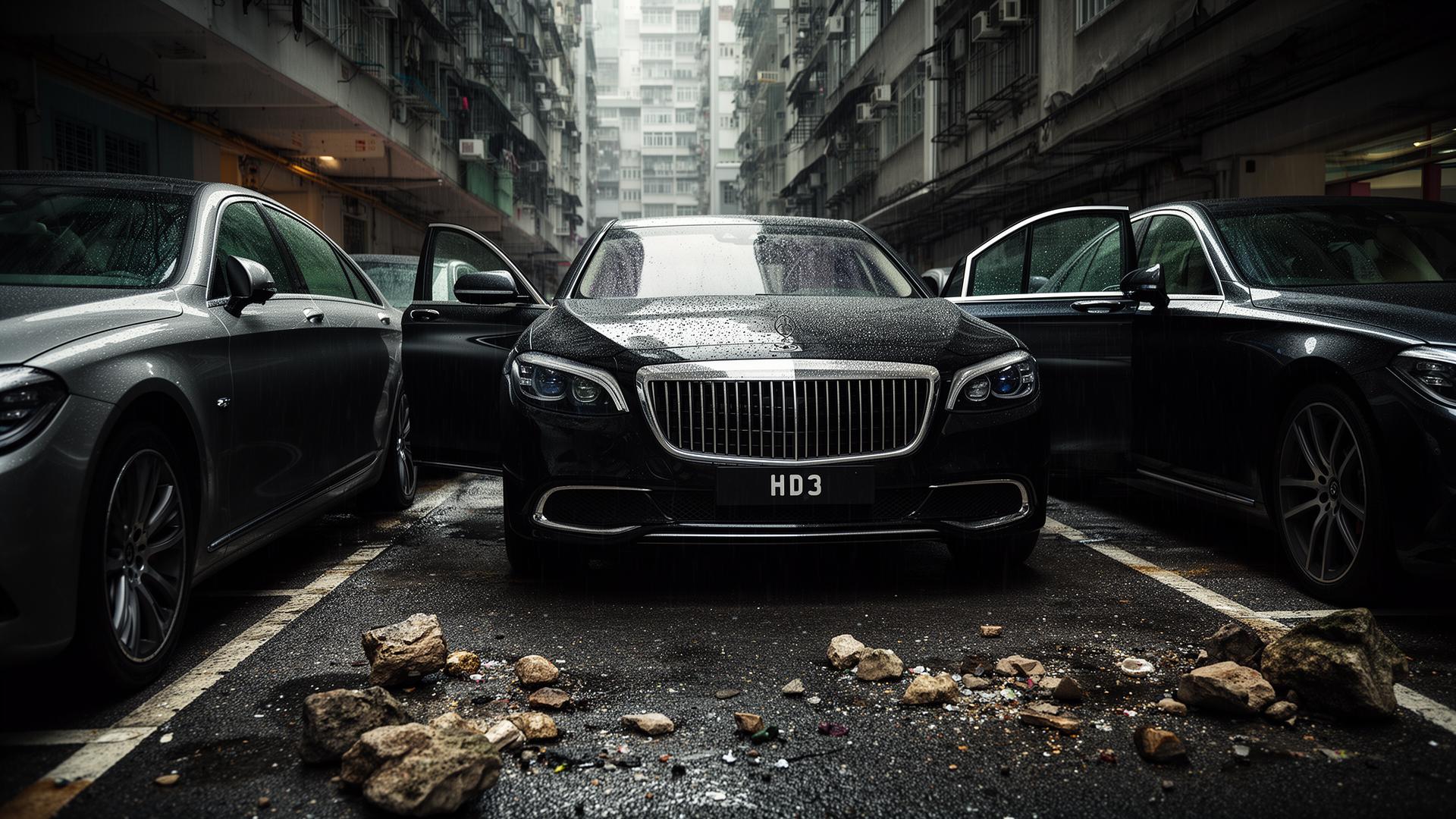
Hong Kong is densely populated with limited land, and parking spaces in malls and residential estates are often extremely narrow. When you've parked your car, it's very easy for careless drivers or passengers in adjacent vehicles to ding your car door edge when opening their doors. The thickness and physical protective properties of PPF can easily withstand these common minor collisions and malicious scratches.
●Highly corrosive bird droppings and acid rain
Hong Kong's weather is humid and rainy, and the bird population is dense. Bird droppings and insect remains contain strong acids. If they land on your car's paintwork and are not cleaned promptly, they can corrode through the clear coat within days, leaving permanent marks. The surface of PPF features a high-density anti-fouling coating, which completely isolates these corrosive substances. Even if left for an extended period, it will not harm the paintwork in the slightest.
3. Priceless Peace of Mind: Eliminating the Invisible Anxiety of Driving and Parking
Buying a new car is supposed to be enjoyable, but without any protection, many car owners suffer from 'new car anxiety'. Driving out, they fear stone chips; parking, they're terrified of scratches; in the rain, they worry about mud and water damaging the car. This often leads to nervous exhaustion.
After applying PPF, the biggest benefit is actually the owner's 'peace of mind'. PPF provides a very high tolerance for errors for your beloved car. Minor scuffs encountered in daily life, swirl marks accidentally left during car washes, or even light brushes from a trolley – the 'self-healing' function on the PPF surface can make these tiny scratches disappear automatically under sunlight. You can truly relax and enjoy the pleasure of driving, without needing to inspect your car every day for new scratches. This mental relaxation is absolutely worth the price.
4. Economic Considerations: Long-Term Investment and Resale Value Myth
Many people think that applying full-car PPF, which costs tens of thousands of dollars, is expensive. However, from a long-term economic perspective, this is an investment with an extremely high return.
Firstly, PPF can save you countless car detailing and repair costs. Cars without protective film might need waxing several times a year, and re-coating after a few years. For major scratches, you might spend thousands of dollars at a garage for repainting. A top-tier TPU protective film lasts five to ten years, during which you only need basic daily car washes to keep the car body looking brand new, significantly reducing subsequent maintenance expenses.
More importantly, there's the 'resale value'. In the used car market, a car that retains its 'full factory paintwork' can command tens of thousands or even over a hundred thousand dollars more (depending on the model) compared to a car that has undergone multiple repaints and has color differences on its body. When you plan to change cars in a few years, simply remove the old PPF, and the underlying factory paintwork will still be as perfect as the day you got the new car. This can definitely help you get a very good price in the used car market, potentially even earning back more than your initial investment in the film!
5. Conclusion: New Car On The Road, Prevention Is Always Better Than Cure
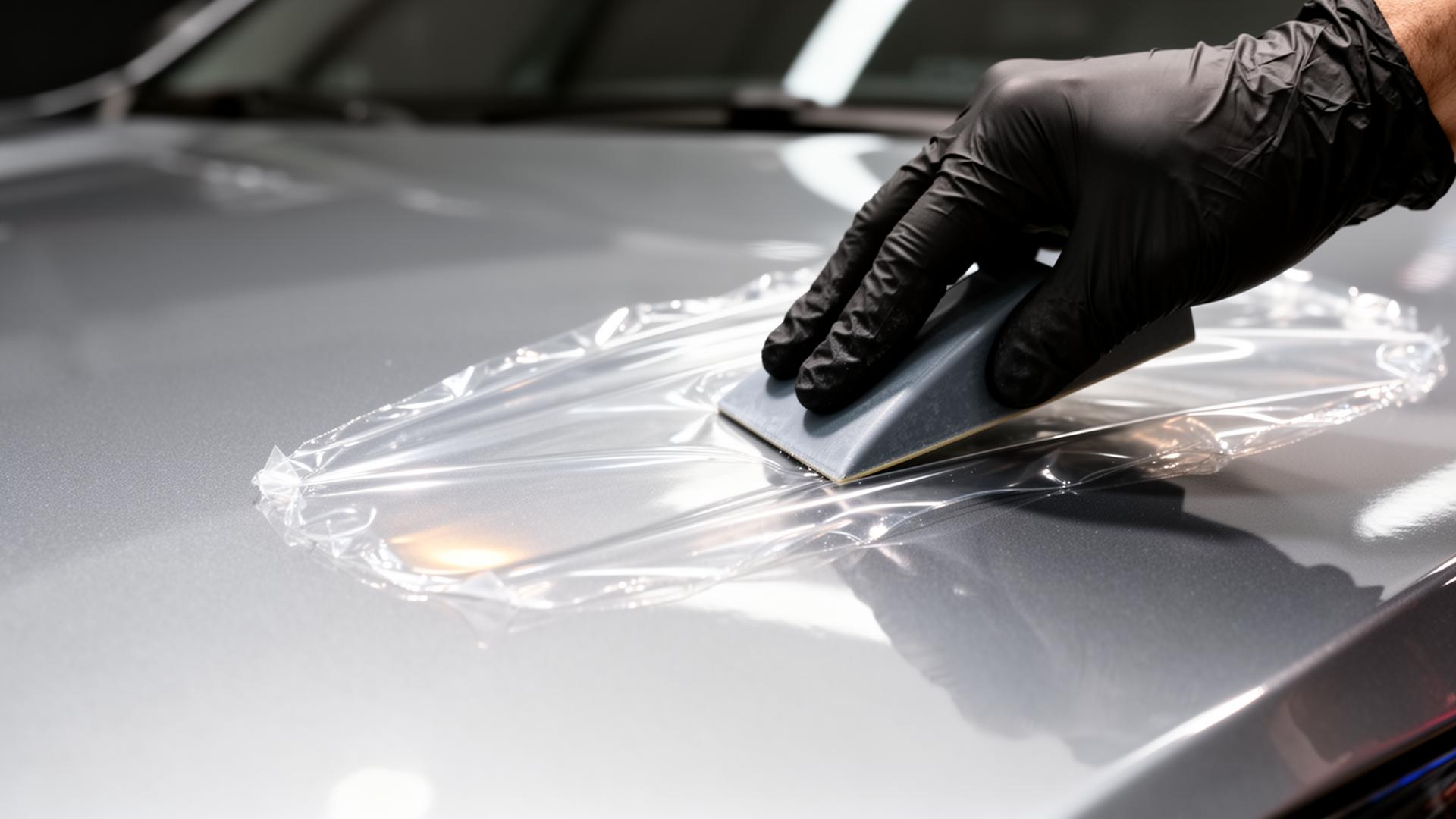
'Prevention is better than cure' is the golden rule of car maintenance. Trying to remedy paintwork that is already damaged, full of stone chips and scratches, will never be as effective as protecting it from the start. The moment a new car hits the road is the golden moment when its paintwork is in its most perfect and flawless state.
Choosing to apply high-quality PPF at this time is equivalent to buying the most comprehensive 'aesthetic full insurance' for your beloved car. It not only preserves the highest value of the factory paintwork, resists Hong Kong's harsh road environment, but more importantly, it provides invaluable peace of mind, allowing you to enjoy every journey with your car without worries. If you're about to get a new car, don't hesitate, put PPF at the top of your must-do list!
Related reading: PPF services overview · PPF maintenance SOP
Authoritative sources: XPEL official PPF product page · HK Transport Department vehicle condition guidance
Ready for a professional PPF install?
Book LETS GET WRAP today
Our GSWF Tier-1 certified team will spec the right protection package for your car.
Get in touch


